14 July 2008

Dancing Goes to the Dogs in Canine-Crazy Japan

Rumba with your retriever, polka with your poodle, or samba with your Scottish terrier in Japan, where dog dancing is the latest must-do activity in this canine-crazy nation. Dancing lessons for pets joins a long list of things to do with your animal companion in a country where the pet industry is worth one trillion yen (nearly $9.5 billion) and where dog hotels, cafes and even dog-friendly cars are the norm.

At dance class "Wan Nyan World", which literally means "Woof Meow" in Japanese, dog-lovers and their reluctant partners do a little waltz and a little dog-trot to ABBA's "Dancing Queen". "Whether it's a Chihuahua or a big St. Bernard, if you have the right music and moves, any dog can dance. Even age doesn't matter," said 51-year-old Mayumi Ozuma, who teaches the class. "Dog dancing allows owners and their dogs to show their individuality."

For a tasty treat, dogs learn to circle their owners and move between their legs. Classes are held twice a month, and some couples even go on stage to display their skills.

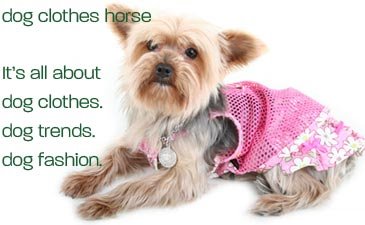
Japan has more dogs and cats nationwide than children under 15, the result of an ageing population and a declining birthrate. Animals, and dogs especially, are often seen on the streets of Tokyo, dressed up in specially made clothes and being pushed about in strollers by their doting human "mothers".

"Dog dancing allows me to have fun with my pet. It's refreshing and I feel like my dog's also having fun," said Mikako Oba who was dancing with her one-year-old Corgi, Carlo, adding that she would like to enter dancing competitions in future.

Seiji Osawa, a 37-year-old businessman was excited about class because now he can maintain eye contact with his two-year-old Shih Tzu. "Now my dog will look at me," he said, sweating slightly from the dancing.

Others relish the class as a way to improve communication with their pets. "I like the fact that Naruto will do what I say -- it shows we are communicating," said 45-year-old Miyaki Takahashi of her dog. "He used to ignore me when I called his name, but now he will come near me."

[Source: Reuters]

10 July 2008

Marshfield Resident & Dog Compete in “Doggy Duathlon” in NYC

Nearly every day at high tide, Boo puts on an orange life vest and goes for a half-mile or mile swim in Duxbury Bay. In the evenings, he goes for a mile-or-two run on the grass at Marshfield High School, which, his owner said, is better for his joints. Boo, a 5-year-old black Labrador Retriever, and his owner, Stephen Meneely, are training for the IAMS Doggy Duathlon World Championships, part of the New York City Triathlon, which takes place July 20.

Meneely and Boo are running the race to benefit the Marshfield Food Pantry and raise awareness about hunger on the South Shore. “It’s all about the food pantry. It’s not about me. It’s not about publicity. It’s not about the dog,” he said. “This is going to affect a lot of people in Marshfield.”

Meneely, a software writer who has done about 100 triathlons, said he found out about the Doggy Duathlon when he tried to sign up for the sold-out New York City Triathlon. “We’ve been looking forward to this day ever since,” he said. “I’d rather do it for a charity and have it focus on the dog and a charity.”

Boo, he said, got a taste for competition as a puppy, when he jumped out of the open window of his car to swim after his owner during a swim practice. Two years ago, the dog ran with Meneely’s wife in a relay of The Fantastic Nantasket Beach Triathlon in Hull. Meneely swam and biked in the race. The family came in third and Boo got his first medal, Meneely said.

This summer, the two have been training together in Duxbury Bay, sometimes with other South Shore triathletes. They also walk together for several miles a day. “I take him swimming as often as I can, wherever we go,” Meneely said. “He’s come to a lot of local races with me.”

Meneely and Boo will compete with 26 other pairs in the July 20 race, which includes a 10-kilometer run around the northern loop of Central Park. The Doggie Duathlon champion wins The Rembrandt Cup. The race was also supposed to include a 1,500 meter swim in the Hudson River, with the dogs in life jackets, but that portion was canceled this week due to logistics. The day before, Meneely said, he and Boo will run in the Chipotle Underwear Run.

He said the Doggie Duathlon will probably be Boo’s last race, especially with the heat of training in the summer. “He’s getting a lot of white hairs,” Meneely said. “It really takes its toll on a black dog. It’s brutal for him.” For more information on the IAMS Doggie Duathlon, click here.

[Source: The Patriot Ledger]

09 July 2008

Teaching Your Dog to Swim

Swimming seems so integral to being a dog that we’ve even named a stroke after them, the dog-paddle — so you’d assume that’s something that every dog is born knowing how to do. It turns out that you’d be wrong. Not every dog knows instinctively how to swim, and some can’t swim at all, Wendy Diamond, the founder and editorial director of Animal Fair magazine, told TODAY. Dogs’ aquatic abilities are so misunderstood, in fact, that she put together a list of water safety tips for dog owners.

Diamond confirmed that some dogs are born swimmers. It’s a good bet if the dog’s breed includes the word “water,” as in Portuguese or English water spaniel, it takes to swimming like a nursery-schooler takes to finger-painting. For owners of those breeds, the problem isn’t getting the dog into the water, but keeping it on dry land.

But other breeds aren’t as water-friendly. Some dogs have to be taught to swim, Diamond said, and others, like bulldogs, take to the water like submarines take to the Cross Bronx Expressway. For the former, there is hope. For the latter, there are those bright orange canine flotation devices. Among those that can’t swim at all or swim only with great difficulty are basset hounds, bulldogs, dachshunds, pugs, corgis, Scottish and Boston terriers and greyhounds.

And then there are dogs like the Maltese, which are capable swimmers, but which are also susceptible to rheumatism, arthritis and chills that could be exacerbated by taking them in the pool with you. Diamond has a checklist for doggy swim lessons:

Avoid excessive noise: “Take them to an area that’s not so crazy and hectic,” she advised. Like children, dogs can become frightened and confused if there’s a lot of noise and activity around them. The object is to keep them calm and focused on the swimming lesson.

Use encouragement: As when teaching a child, keep your voice upbeat and positive, she said. “Using treats and toys to encourage your dog to enter the water also works quite well,” she said.

Never throw them in: Just as you shouldn’t throw a child in the water and expect it to swim to safety, you shouldn’t do that with a dog, Diamond said. “Don’t force the dog. If they don’t want to do it, don’t force them to do it.” Instead, she told Celeste, “Slowly put them in the water and get their paws used to it.”

Support their weight until they paddle: Even if the dog is wearing a life vest, Diamond said, support its midsection and hindquarters in the water until they start paddling and feel comfortable.

Show them how to get out: Getting a dog in the pool is only half the battle. Diamond reminded pet owners that they also need to be shown where the steps are in the pool so they can easily get out.

Keep an eye on them: Even in the water, dogs can wander off. Dogs that swim naturally and well can jump in the ocean and keep swimming until they’re lost, Diamond said. “You want to make sure, like children, that you watch where they’re going,” she said.

[Source: NBC Today Show]

08 July 2008

In Poll of Pet Owners, McCain Tops Obama

If the presidential election were up to pet owners, John McCain could have a blue ribbon in his future. From George Washington's foxhounds Drunkard and Tipsy to George W. Bush's terriers Barney and Miss Beazley, pets are a longtime presidential tradition for which the presumed Republican nominee seems well prepared, with more than a dozen. Democratic candidate Barack Obama, on the other hand, doesn't have a pet, though he has promised his daughters a dog after the election, win or lose.

An AP-Yahoo News poll found that pet owners favor McCain over Obama 42 percent to 37 percent, with dog owners particularly in McCain's corner.

"I think a person who owns a pet is a more compassionate person — caring, giving, trustworthy. I like pet owners," said Janet Taylor of Plymouth, Mass. Taylor, who described herself as a retired stay-at-home wife, owns two cats, Lady Jane Taylor and Mr. Tommy Katz.

Richard Powell, 79, of Spokane, Wash., whose dog passed away last fall, said if a person owns a pet, that "tells you that they're responsible at least for something, for the care of something." He said pet ownership wouldn't make a difference in his vote, but if a president owns a pet, "I'm glad to know they like animals."

The poll found that among people who don't have pets, Obama leads McCain 48 percent to 34 percent. But that still leaves McCain looking strong, since the majority of homes have a pet. The American Pet Product Manufacturers Association estimates that 63 percent of American homes include a pet, including 88 million cats and 75 million dogs.

Dog owners lean toward McCain, 43 percent to 34 percent, while cat owners basically divide their loyalties with 41 percent for McCain and 38 percent for Obama.

The population breakdown of who has pets and who doesn't may be a factor. For example, the poll found 47 percent of whites own dogs, compared with just 24 percent of blacks. Whites tend to favor McCain, while blacks overwhelmingly favor Obama.

Some 64 percent of dog owners are married, slightly higher than the overall population. The poll found 47 percent of married people own dogs, compared with 39 percent of non-married people. Married people tend to favor McCain.

The AP-Yahoo News poll is part of an ongoing study that tracks the attitudes and opinions of a group of more than 2,000 Americans to see how their political views evolve over the course of the election campaign. The AP-Yahoo News survey of 1,759 adults was conducted from June 13-23 and had an overall margin of sampling error of plus or minus 2.3 percentage points. The margin of sampling error for population subgroups is larger.

[Source: Associated Press]

07 July 2008

Vetting Obama's Canine Companion

As President Harry Truman once wisely noted, "If you want a friend in Washington, get a dog." Presumptive Democratic presidential nominee Barack Obama and his wife Michelle have suggested that whether or not they live at 1600 Pennsylvania Avenue next year, they will take the former president's advice.

The Obama family has used the promise of a pet as a bargaining chip in asking their daughters, Malia, 9 and Sasha, 7, for their support during the long campaign season. The American Kennel Club (AKC) took it upon themselves to offer the Obamas some guidance in finding the appropriate canine friend.

The AKC is asking Americans to cast a vote for the best qualified "first pet" for the Obama family, limiting the list of selections to hypoallergenic breeds because of Obama's daughters' allergies. The public has been given five solid canine choices including the Bichon Frise, the Chinese Crested, the Poodle, the Soft Coated Wheaten Terrier and the Miniature Schnauzer. Click here to vote.

It's important for the public to evaluate several characteristics when choosing a presidential pup. As a presidential pet, the dog will need to be well behaved during its potential interactions with high public officials, a good travel companion, given the busy White House schedule and in the case of the Obama family specifically, small enough that the young girls are able to walk the dog. Thus far, the Soft Coated Wheaten Terrier has been voted the premier choice, but the public has until August 19 to cast a ballot.

The AKC chose to focus on canine candidates for the Obamas as the McCain household is already bustling with animals. According to the Associated Press, the presumptive Republican nominee has at least two dozen animals, including several McCanines: two Yorkshire Terriers named Lucy and Desi, an English Springer Spaniel named Sam, and a mixed-breed named Coco. For a look at the breeds that the McCain family favors, click here.

[Source: ABC News]

03 July 2008

5 Ways Pets Can Improve Your Health

A pet is certainly a great friend. After a difficult day, pet owners quite literally feel the love. In fact, for nearly 25 years, research has shown that living with pets provides certain health benefits. Pets help lower blood pressure and lessen anxiety. They boost our immunity. They can even help you get dates.

Allergy Fighters
"The old thinking was that if your family had a pet, the children were more likely to become allergic to the pet. And if you came from an allergy-prone family, pets should be avoided," says researcher James E. Gern, M.D., a pediatrician at the University of Wisconsin-Madison, in the Journal of Allergy and Clinical Immunology. However, a growing number of studies have suggested that kids growing up in a home with "furred animals" — whether it's a pet cat or dog, or on a farm and exposed to large animals — will have less risk of allergies and asthma, he tells WebMD.

In his recent study, Gern analyzed the blood of babies immediately after birth and one year later. He was looking for evidence of an allergic reaction, immunity changes, and for reactions to bacteria in the environment. If a dog lived in the home, infants were less likely to show evidence of pet allergies — 19% vs. 33%. They also were less likely to have eczema, a common allergy skin condition that causes red patches and itching. In addition, they had higher levels of some immune system chemicals — a sign of stronger immune system activation. "Dogs are dirty animals, and this suggests that babies who have greater exposure to dirt and allergens have a stronger immune system," Gern says.

Date Magnets
Dogs are great for making love connections. Forget Internet matchmaking — a dog is a natural conversation starter. This especially helps ease people out of social isolation or shyness, Nadine Kaslow, Ph.D., professor of psychiatry and behavioral sciences at Emory University in Atlanta, tells WebMD. "People ask about breed, they watch the dog's tricks," Kaslow says. "Sometimes the conversation stays at the 'dog level,' sometimes it becomes a real social interchange."

Dogs for the Aged
"Studies have shown that Alzheimer's patients have fewer anxious outbursts if there is an animal in the home," says Lynette Hart, Ph.D., associate professor at the University of California at Davis School of Veterinary Medicine. "Their caregivers also feel less burdened when there is a pet, particularly if it is a cat, which generally requires less care than a dog," says Hart.

Walking a dog or just caring for a pet — for elderly people who are able — can provide exercise and companionship. One insurance company, Midland Life Insurance Company of Columbus, Ohio, asks clients over age 75 if they have a pet as part of their medical screening — which often helps tip the scales in their favor.

Good for Mind and Soul
Pet owners with AIDS are far less likely to suffer from depression than those without pets. "The benefit is especially pronounced when people are strongly attached to their pets," says researcher Judith Siegel, Ph.D. In one study, stockbrokers with high blood pressure who adopted a cat or dog had lower blood pressure readings in stressful situations than did people without pets.

People in stress mode get into a "state of disease," in which harmful chemicals like cortisol and norepinephrine can negatively affect the immune system, says Blair Justice, Ph.D., a psychology professor at the University of Texas School of Public Health and author of Who Gets Sick: How Beliefs, Moods, and Thoughts Affect Your Health. Studies show a link between these chemicals and plaque buildup in arteries, the red flag for heart disease, says Justice.

Like any enjoyable activity, playing with a dog can elevate levels of serotonin and dopamine — nerve transmitters that are known to have pleasurable and calming properties, he tells WebMD. "People take drugs like heroin and cocaine to raise serotonin and dopamine, but the healthy way to do it is to pet your dog, or hug your spouse, watch sunsets, or get around something beautiful in nature," says Justice, who recently hiked the Colorado Rockies with his wife and two dogs.

Good for the Heart
Heart attack patients who have pets survive longer than those without, according to several studies. Male pet owners have less sign of heart disease — lower triglyceride and cholesterol levels — than nonowners, researchers say.

[Source: MSN.com]
02 July 2008

Helmsley, Dogs’ Best Friend, Left Them Billions

Sure, the hotelier and real estate magnate Leona Helmsley left $12 million in her will to her dog, Trouble. But that, it turns out, is nothing much compared with what other dogs may receive from the charitable trust of Mrs. Helmsley, who died last August.

Her instructions, specified in a two-page “mission statement,” are that the entire trust, valued at $5 billion to $8 billion and amounting to virtually all her estate, be used for the care and welfare of dogs, according to two people who have seen the document and who described it on condition of anonymity.

It is by no means clear, however, that all the money will go to dogs. Another provision of the mission statement says Mrs. Helmsley’s trustees may use their discretion in distributing the money, and some lawyers say the statement may not mean much anyway, given that its directions were not incorporated into Mrs. Helmsley’s will or the trust documents.

“The statement is an expression of her wishes that is not necessarily legally binding,” said William Josephson, a lawyer who was the chief of the Charities Bureau in the New York State attorney general’s office from 1999 to 2004.

Still, longstanding laws favor adherence to a donor’s intent, and the mission statement is the only clear expression of Mrs. Helmsley’s charitable intentions. That will make the document difficult for her trustees, as well as the probate court and state charity regulators, to ignore.

The two people who described the statement said Mrs. Helmsley signed it in 2003 to establish goals for the multibillion-dollar trust that would disburse assets after her death. The first goal was to help indigent people, the second to provide for the care and welfare of dogs. A year later, they said, she deleted the first goal.

Howard J. Rubenstein, a spokesman for the executors of Mrs. Helmsley’s estate, said they did not want to comment on the statement because they were still working to determine the trust’s direction.

When she died last year at 87, she left all but a few million dollars of her vast estate to what will become one of the nation’s dozen largest foundations when the probate process is finished. She had $2.3 billion in liquid assets when she died, according to the probate petition, and the disposal of her real estate holdings is expected to produce an additional $3 billion to $6 billion.

Even if the resulting total is at the low end of the estimate — $5 billion or so — the trust will be worth almost 10 times the combined assets of all 7,381 animal-related nonprofit groups reporting to the Internal Revenue Service in 2005.

The five executors of her will — Mrs. Helmsley’s brother, Alvin Rosenthal; two of her grandsons, Walter and David Panzirer; her lawyer, Sandor Frankel; and her longtime friend John Codey — are also the trustees of the Leona M. and Harry B. Helmsley Charitable Trust and, according to the two people who discussed the mission statement, have fretted about the public outcry that disclosure of its terms might incite.

The trustees recently hired a philanthropic advisory service to help them figure out a way to remain true to Mrs. Helmsley’s intentions while at the same time pursuing broader charitable goals with her foundation.

Judge Renee R. Roth of Surrogate’s Court in Manhattan will also play a role. She has already demonstrated a willingness to be flexible, cutting the size of Trouble’s trust fund to $2 million, from the $12 million prescribed in Mrs. Helmsley’s will, and ordering that the difference be added to the pending charitable trust.

[Source: The New York Times]

01 July 2008

A Guide to Dog Parks


This video has some great dog park etiquette tips for finding and attending dog parks.
